- What is Hexachloroethane?
- Deployment of Hexachloroethane
- Research on Hexachloroethane
- Biphasic Symptom Pattern of Hexachloroethane
- Acute Respiratory Distress Syndrome (ARDS)
- What to Expect in the Streets
- Considerations for Formalized Care
- HC-Specific Aftercare
What is Hexachloroethane?
Hexachloroethane is a colorless or white crystalline powder used in smoke grenades by the US military.
The compound is also called perchloroethane or carbon hexachloride and is manufactured under the brand names Avlothane, Distokal, Distopan, and Distopin.
HC is a central nervous system depressant that irritates the skin eyes and mucous membranes, and damages the lungs by wearing away at the mucosal linings. It was developed for chemical warfare in the 1930s.
HC was used previously in Portland during the 2020 uprising and in Minneapolis in early 2026. In 2020, Portland activists who were also scientists and researchers formed Chemical Weapons Research Consortium and collected canisters of tear gas and HC for study. We owe much of the knowledge shared here to this collective.
Deployment of Hexachloroethane
In the canister, hexachloroethane reacts with zinc oxide (the main ingredient in physical sunscreens) and produces:
- Extreme, visible heat
- White smoke (may be deployed alongside green non-irritant smoke bombs)
- A camphor-like smell (think of eucalyptus, Vick’s VapoRub, or Tiger Balm)
- Toxic chemicals, especially zinc chloride
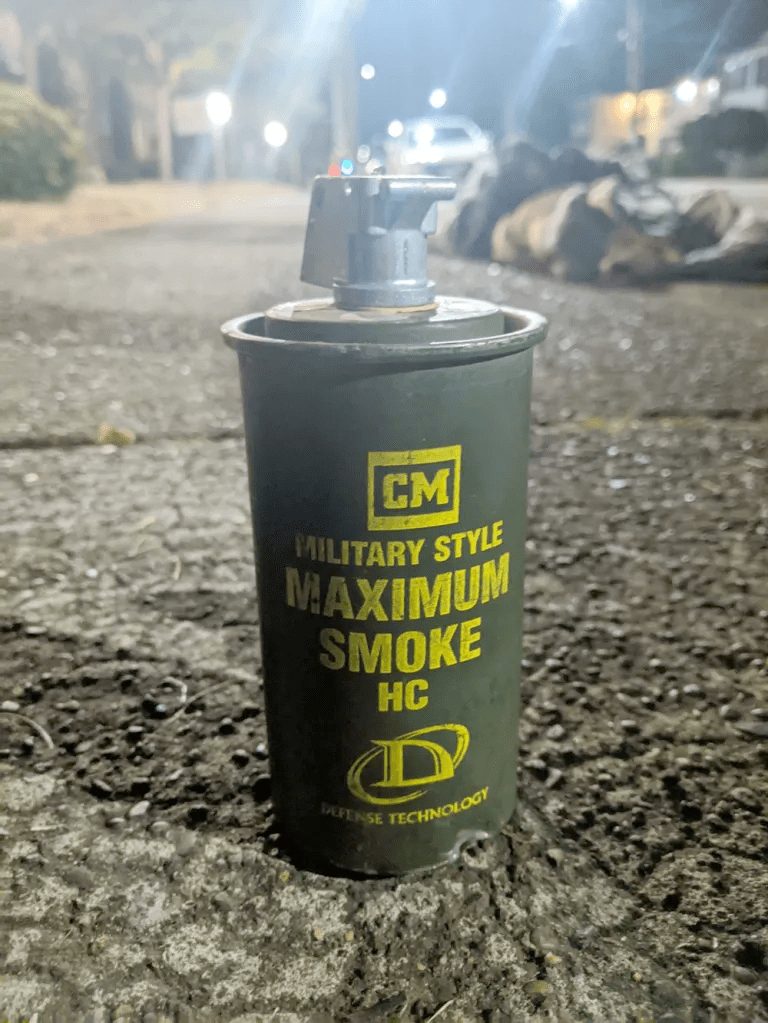
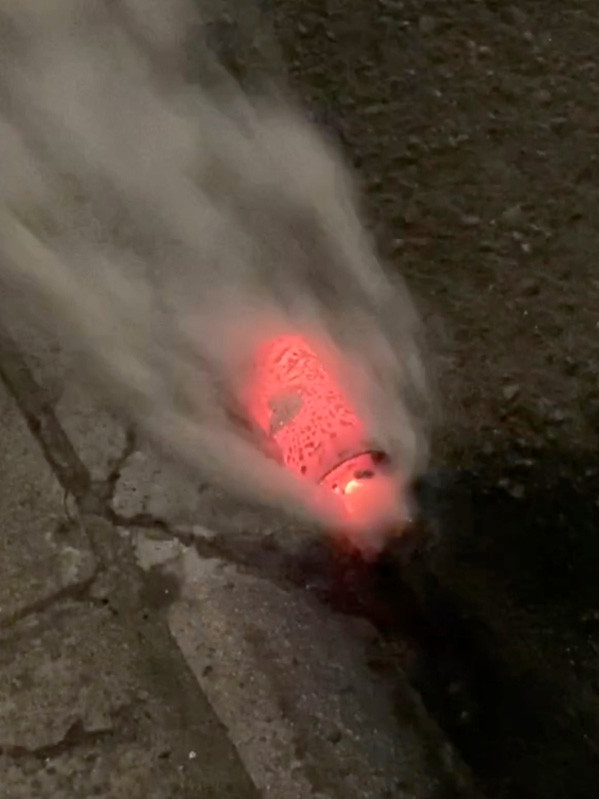
Hexachloroethane evaporates but any byproducts that remain persist in the environment and pose a significant risk to the surrounding community and ecosystem long after the canister has been deployed.
Research on Hexachloroethane
The impact of exposure depends on context, duration, and concentration.
Most case studies in scientific literature involve exposure during military training, with a few civilian contexts and primarily severe impacts. Most studies are focused on young able-bodied cis men exposed in narrow tunnels at high concentrations during military training. There is a lack of information on how HC impacts young people, people with uteruses, elders, and people with chronic illnesses, as well as the long-term impacts of both mild and severe exposure.
HC is classified as “likely to be carcinogenic to humans” based on mouse and rat studies, in which rodents were exposed at high doses or for long periods of time; it is unclear how much these cancer-causing qualities can be extrapolated to human beings in an open-air street protest.
Biphasic Symptom Pattern of Hexachloroethane
Symptoms from HC exposure occur in 2 waves.
Within the first 24 hours of exposure, and often immediately during and after exposure, people will experience:
- Irritation of the skin, eyes, mucous membranes, and respiratory tract
- Sore throat
- Trouble breathing
- Coughing
- Chest pain/tightness
- Nausea/vomiting and gagging
- Brain fog (per Portland 2020 activists)
After the first 24 hours, some people experience a second wave of symptoms consistent with “metal fume fever,” which is an illness that has been observed among welders and metal workers. The illness usually resolves on its own soon after exposure ends. After inhaling zinc chloride fumes, people develop flu-like symptoms:
- Fever/chills
- Difficulty breathing/shortness of breath
- Rapid respiratory rate
- Rapid heart rate
- Malaise
- Body aches
- Liver dysfunction and damage
- Muscle aches
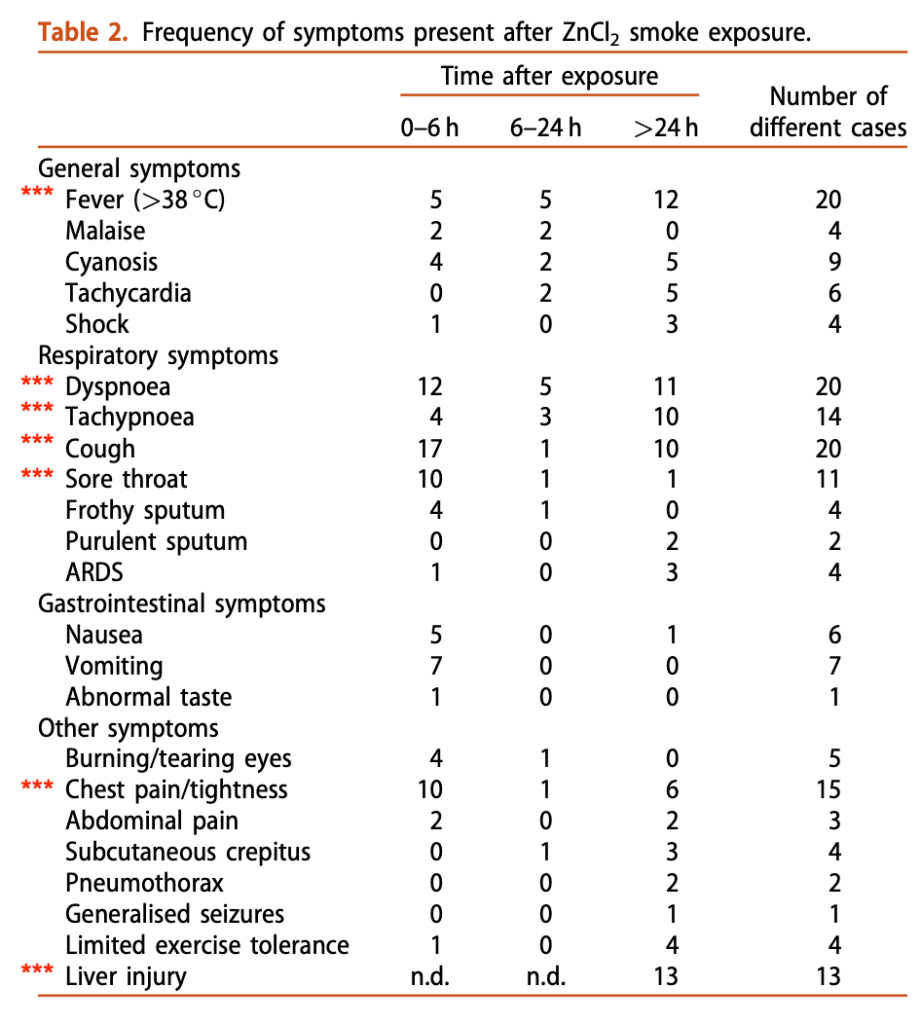
https://doi.org/10.1080/15563650.2016.1271125
Acute Respiratory Distress Syndrome (ARDS)
One instance of HC exposure heavily studied was a military training accident in Taiwan, during which 20 soldiers were exposed to dense HC smoke bombs and zinc chloride smoke for 3-10 minutes in a narrow tunnel. 5 of these soldiers developed Acute Respiratory Distress Syndrome, which is an acute-onset, life-threatening, inflammatory lung injury.
In people with ARDS, inflammation in the lungs in response to the zinc chloride smoke leads to swelling and fluid buildup in the alveoli of the lungs, which in turn causes decreased lung capacity and impaired ability for the body to take up oxygen.
People with ARDS will develop shortness of breath and hypoxemia, when their blood oxygen saturation falling below 95%. People with hypoxemia can also have a rapid heart rate as the heart tries to compensate for the low oxygen levels, and they can also develop altered mental status as their brain becomes deprived of sufficient oxygen.
These symptoms will get worse with time, rapidly declining between 6 and 72 hours. People who develop ARDS will need manual ventilation and intensive emergency care within 24 hours.
Folks who may be at higher risk of ARDS:
- Are older
- Have received prior surgeries, especially cardiovascular and neurovascular surgeries
- Have cardiovascular and respiratory health conditions
- Immunocompromising or inflammatory conditions
- Engage in substance use
- Have had prior traumatic brain injuries
- Are of a marginalized gender identity
What to Expect in the Streets
Most of the situations most relevant to street medicine will involve exposure in open air. For this, we look to a case study in 1979 where people were exposed to HC during an airport disaster drill simulation of an airplane fire.
In this context, folks experienced:
- Irritation to their eyes, skin, and mucous membranes
- Coughing
- Sore throat
- Strange, metallic taste in their mouth
- Nausea/vomiting
Due to open air ventilation, these impacts were short-term and did not impact their lung capacity. Street protests will likely present in a similar manner. Symptoms may resolve within 24 hours, up to 2 weeks.
In enclosed spaces, such as in a car or tunnel, individuals exposed will experience more severe symptoms. They may have a second wave of respiratory inflammation over the following days. They are also at a much higher risk of lung impairment, ARDS, liver damage, and potentially kidney damage. Depending on context of exposure and treatment access, folks exposed in enclosed spaces may recover within a few weeks, up to a year.
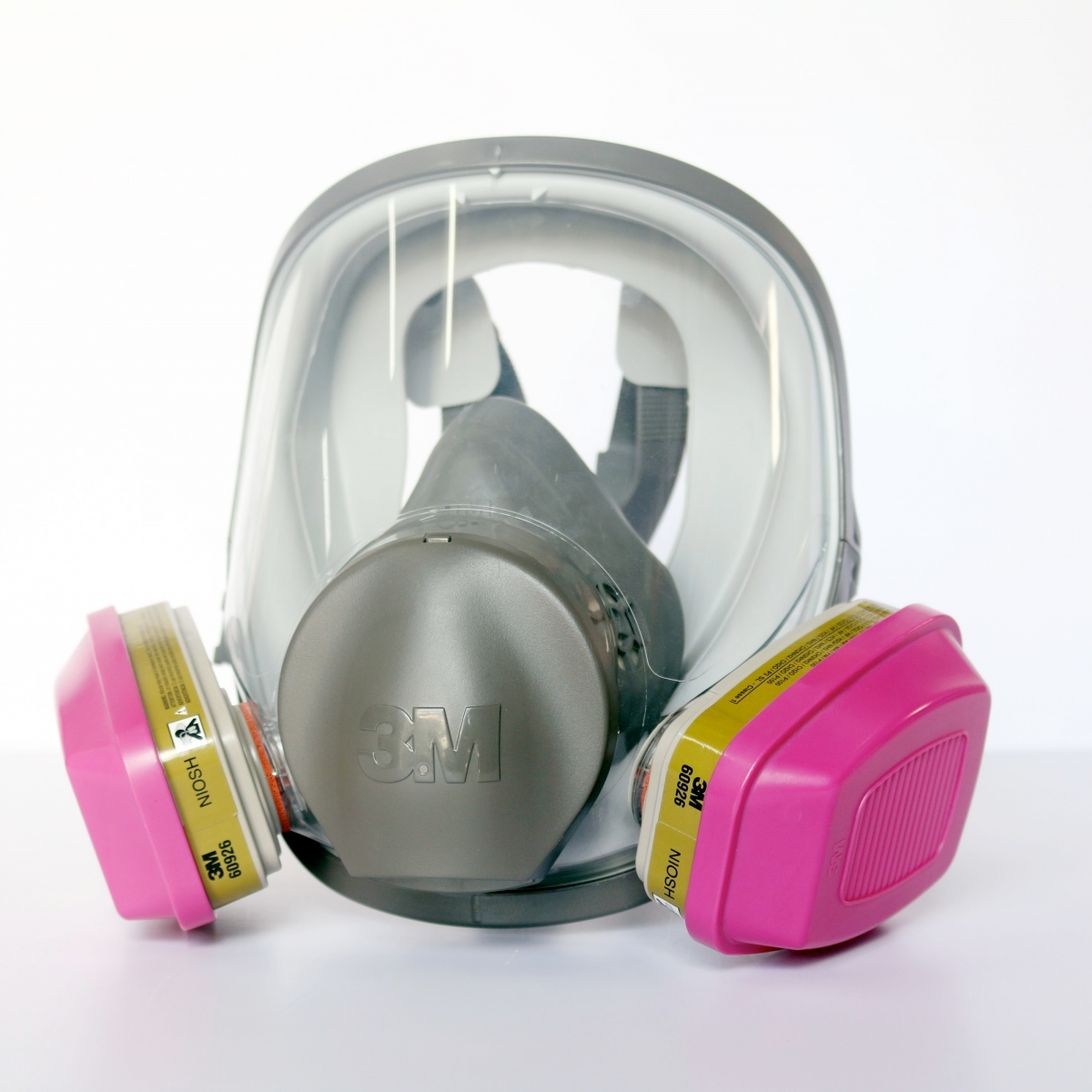
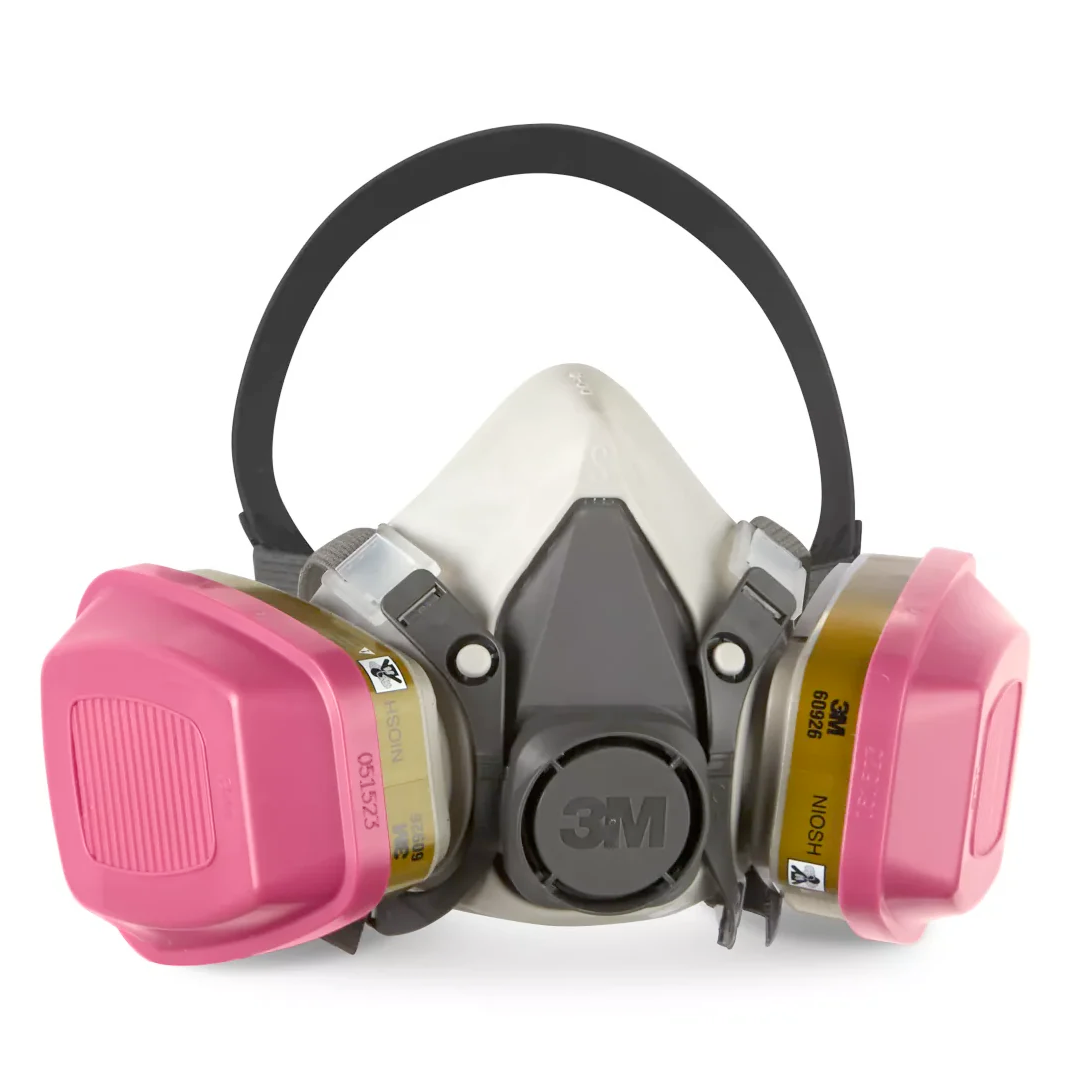
Most people do fully recover, and decreasing exposure as much as possible helps! The best mask to wear is a full-face P100 respirator with organic vapor and acid gas cartridges. If you wear glasses, a half-face respirator with goggles would be ideal.
Considerations for Formalized Care
As of right now, there are no any common or widely available blood, urine, or feces tests to confirm HC exposure.
Chest x-rays are likely to look normal within the first 48 hours of exposure. After the first 48 hours, individuals may, in severe cases, develop diffuse infiltrates in both lungs (i.e. fluid throughout the lungs because of inflammation). An abnormal x-ray doesn’t necessarily mean more severe prognosis. Some people have many symptoms and a normal x-ray, while others have an abnormal x-ray but recover within days.
For the average person who is exposed to HC and/or zinc chloride, best practice is to monitor their vitals for the next couple of days up to a week, even if they initially improve, given that they could experience a second wave of symptoms.
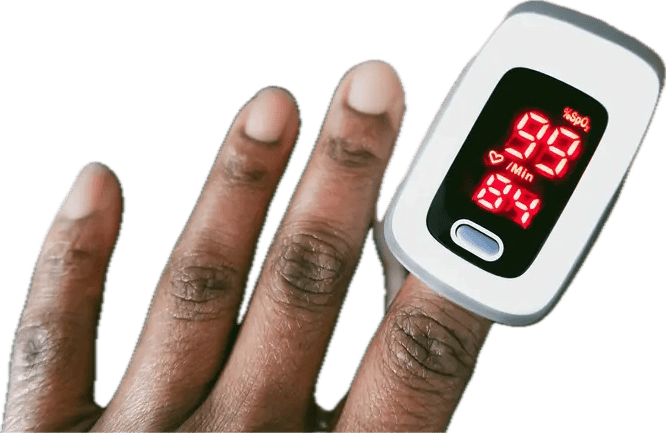
The most important vital signs to assess are their blood oxygen saturation, heart rate, and respiratory rate, which can be done with a pulse oximeter. However, do note that pulse oximeters can overestimate oxygen levels in people with darker skin; it is therefore best to err on the side of caution and seek higher care sooner, rather than later.
HC-Specific Aftercare
Most of the treatment protocols in the field and for aftercare are the same as that of all chemical weapons exposure. However, given that zinc chloride erodes the mucous membranes, the lungs of people exposed will be sensitive and more vulnerable to inflammatory or infectious processes.
If an individual has an inhaler, nebulizer, CPAP, or BiPAP, they may find use of their device supportive for shortness of breath or decreased oxygenation. Folks without an inhaler or nebulizer may consider speaking to a clinician about a temporary inhaler. Steam inhalation can also help to relieve some of the mucous and open the airways.
Folks exposed to HC will also want to look out for symptoms of respiratory infection and pursue treatment as needed:
- Fever/chills
- Muscle aches
- Fatigue
- Chest pain
- Sinus pain
- Cough
- Congestion
- Runny nose
- Discolored mucus
- Bloody sputum

