The two most common chemical weapons deployed in the US are pepper spray and tear gas.
Both are:
- Lipid-based aerosolized particulates aka tiny oil droplets or powder
- Irritate the skin, eyes, nose, and mouth to cause pain and temporary blindness
- Used to disperse crowds and temporarily disable protestors
Check out additional information and guidance on hexachloroethane (which has been used in Minnesota, but not in New York or New Jersey).
Pepper Spray
Pepper spray (also known as mace) is a thick gel-like spray made of oleoresin capsicum (OC).
- Heavy greasy splatter that is airborne for a few seconds to a few minutes
- Can cause chemical burns on skin and eyes with prolonged contact (i.e., multiple hours)
- Can cause severe difficulty breathing, especially in people with heart/lung conditions like asthma and COPD
- More potent than tear gas
- Has been deployed in the form of pepper balls (think paintballs filled with pepper spray) in New Jersey
Tear Gas
Tear gas is deployed as a canister in the form of CN (chloroacetophenone) or CS (2-chlorobenzylidene malononitrile) gas.
- Becomes aerosolized via an extreme heat reaction that can cause fires and third-degree burns.
- Remains airborne for 30 minutes to a few hours (depending on air circulation and weather conditions), but the effects can linger on surfaces.
- The speed and range of canisters can vary. Some are designed to be fired from a distance, while others are designed to be short-range.
- Canisters are meant to be “skip-fired” (fired at the ground in front of the intended target) but there are many documented cases of tear gas canisters being fired directly at protestors.
- Has not been used in NYC since the 2004 Republican National Convention (this can always change!). Tear gas has been used in the areas surrounding NYC, including New Jersey.
We discourage touching tear gas canisters with unprotected skin to avoid severe burns (welding gloves are required).
Reproductive Effects
CN and CS gas disrupt your body’s hormone system. Many people have experienced abnormal reproductive symptoms after exposure, including but not limited to:
- Irregular or prolonged menstrual cycles
- Heavier bleeding
- Spontaneous bleeding/spotting
- Increased cramping
- Chest tenderness
The effects of tear gas on pregnant people are still unknown and need to be investigated, but some countries have reported increased risk of miscarriage. CN and CS gas were not studied clinically until 2020; further research is needed.
Safety/Prevention
Reducing the degree of exposure with barriers is crucial!
Avoid wearing:
- Contact lenses
- Oil-based or pore-filling products
- Tampons
- Swimming goggles
Contact lenses can trap chemical agents in the eye. Wear glasses, if that is accessible to you.
Oil-based face and body products can trap chemicals in the pores of your skin. Opt for water-based or powder-based non-comedogenic products instead.
Changing a tampon can be difficult in the street or when under arrest, or painful if hands are contaminated with chemical weapons, which can increase risk of toxic shock syndrome. Consider pads or liners instead.
When hit in the face, wearing swimming goggles increases risk of serious injuries to the eyeballs.
Do bring:
- Well-fitted P100 respirators > high-filtration masks (N95, KN95, KF94) > surgical masks > bandanas > face shields
- Shatterproof goggles (like laboratory or industrial safety goggles, with sealed indirect vents)
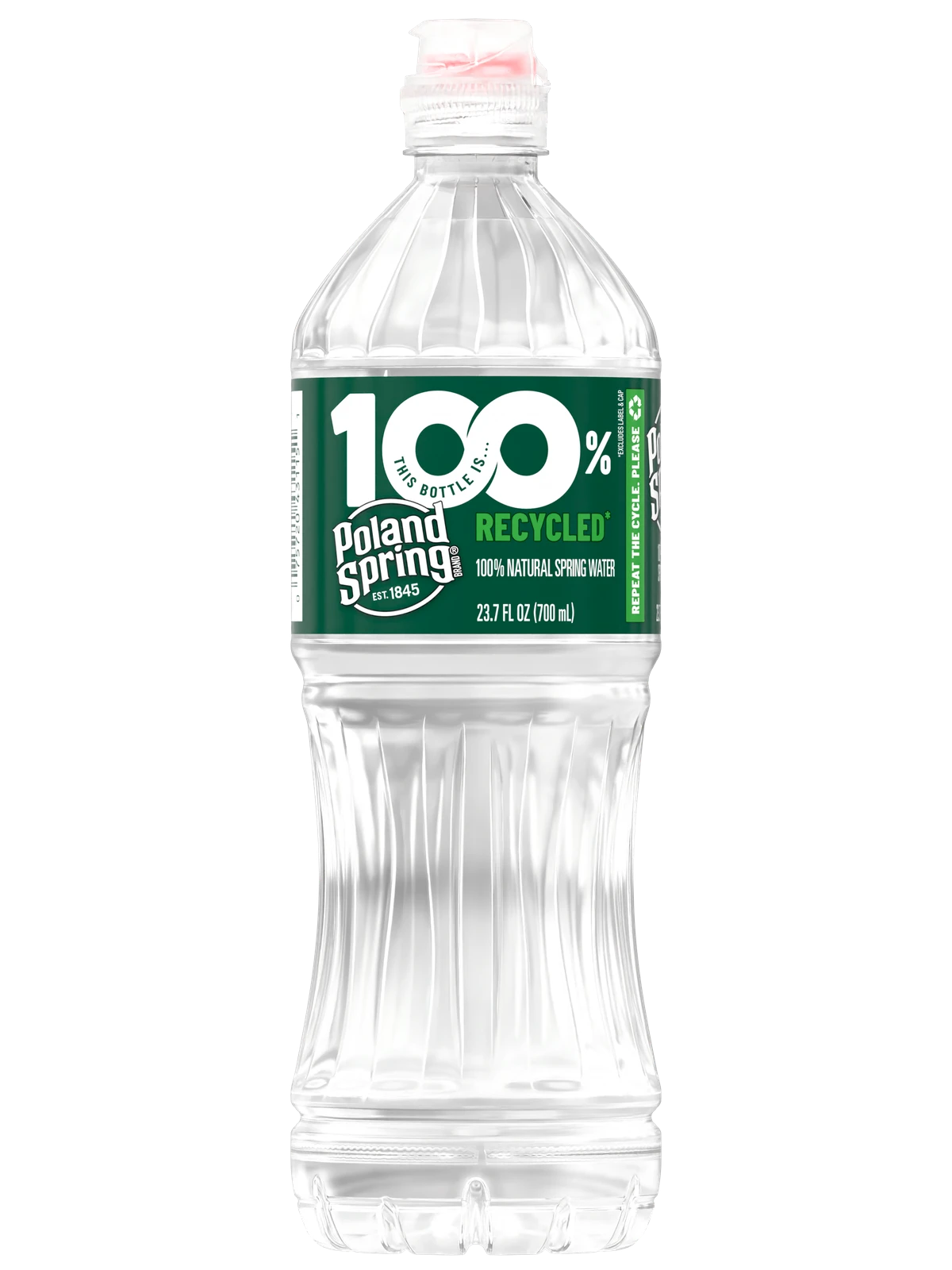
- Unopened squirt-top water bottles
- Long sleeves and pants to minimize skin exposure
- Bump cap inserts (or helmets, in relevant contexts) for head injury prevention
- No-rinse bath wipes or paper towels soaked in a 1:1 mixture of water and dish soap
- An extra change of clothes
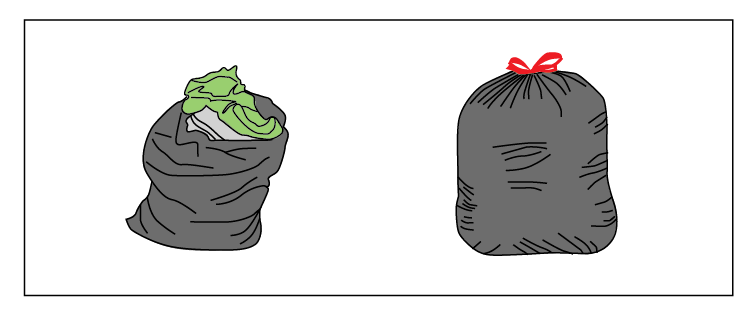
- A roll of garbage bags for contaminated items
- A small object to keep you grounded
Only P100 respirators are effective personal protective equipment against tear gas and hexachloroethane. However, we recognize that wearing a respirator can increase the risk of targeted violence from state agents. If you are unable or hesitant to wear a P100 respirator, we strongly encourage wearing an N95 respirator and a second layer that does not disrupt the respirator’s seal (i.e. a surgical mask, bandana, or other fabric).

Treatment
1. Introduce yourself and gain consent.
How we seek consent sets the tone for the relationships we build.
- Approach calmly.
- Introduce yourself and your offering confidently.
- Remember that not everybody will want or need your support. Always take “no” for an answer.
Example: “Hello, my name is X. I know first aid. Can I help you?”
2. Stop the spread.
- Ask the person to avoid touching contaminated areas and to stop rubbing their eyes, face, or other surfaces.
- Have them sit on their hands or with their hands between their thighs and calves while kneeling.
- If the person is wearing glasses, have them hold their glasses or tuck them into their shirt collar.

3. Get the chemical out of their eyes and off their face.
- Ask if they are wearing contacts (even if they were wearing glasses!).
- Have them remove their own lenses with clean or gloved hands.
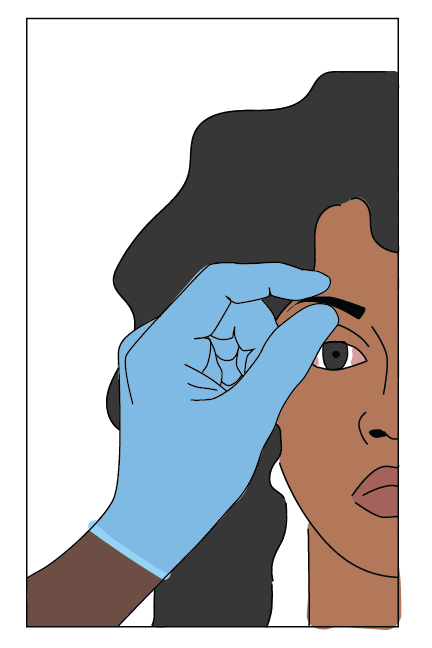
- Have them lean forward and tilt their ear toward the ground. We will flush that side first.
“Ear to the ground, eyes to the sky” - Pinch or push up their eyebrow with your thumb to open the eye on the side closer to the ground.
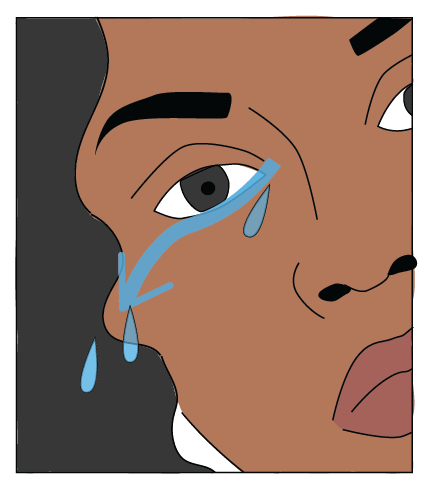
- Using a newly-opened squirt-top water bottle, sweep the stream away from the tear duct/nose toward the ear.
- Repeat process until they can blink and see (they may still be in pain).
- Offer to help them rinse their mouth.
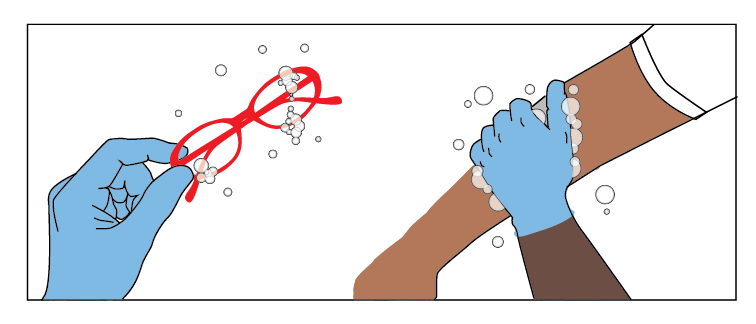
- Wash glasses with soap and water before putting them on again.
4. Use water and soap/dish detergent to wash the chemical off their skin.
- Face and body wipes can be helpful.
- Wipe off their phone and personal items as well.
- Remove contaminated clothes/items and dispose of them in a garbage bag. Seal this bag in another garbage bag to prevent spread to sanitation workers.
5. Monitor airway and breathing for signs of respiratory distress.
- Shallow breathing
- Rapid or slow breathing (most people take 12-20 breaths per minute)
- Unsteady breathing
- Strained or noisy breathing
- Wheezing/gasping
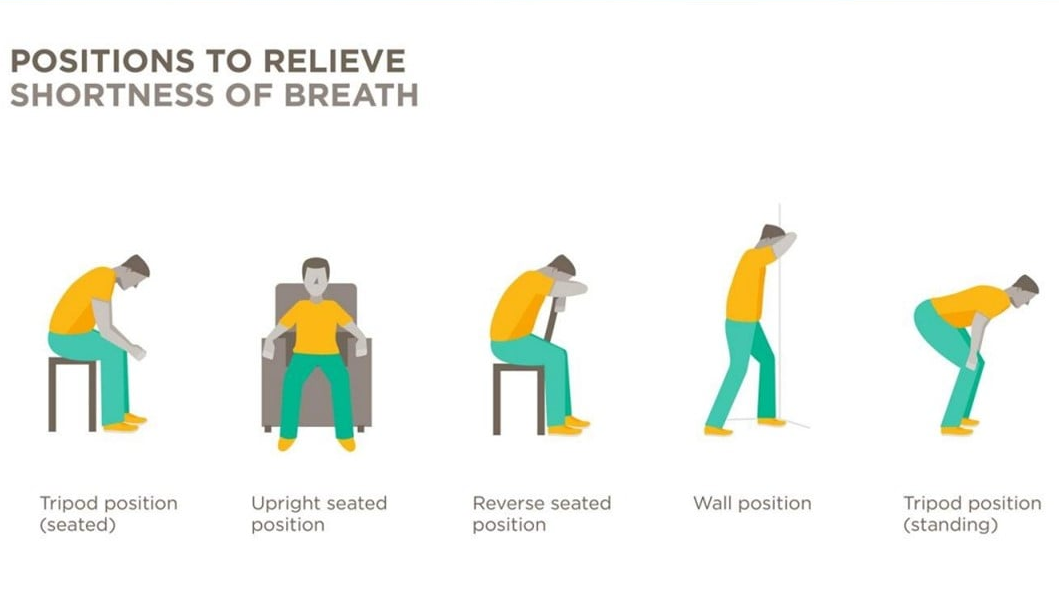
- Tripod position
If someone shows signs of respiratory distress:
- Help them into a seated or “tripod” position.
- Remove environmental triggers (if possible)
- Support them in paced breathing, focusing on breathing out for longer than they breathe in
- Offer herbal remedies to open airways for temporary relief
- Warm, caffeinated drinks
- Mint or ginger tea
- Menthol cough drops
If you are supporting someone with asthma, ask:
- Do you have an emergency inhaler?
- Do you know where it is?
If the person has their inhaler, you can retrieve it and support them in administering 2 puffs every 20 minutes, for up to 1 hour.
- Never use someone else’s inhaler due to risk of cross-contamination, medication differences, and risk of adverse effects.
- If the person is still experiencing difficulty breathing after an hour, support them in accessing formalized care. Asthma attacks can become life-threatening!
Check out Ujimaa Medics’ zine on asthma care for more offerings.
Decontamination
For the Community
- Avoid entering enclosed areas (like apartments, vehicles, and subway cars) with contaminated clothing.
- Remove and double-bag everything you can before going inside anywhere.
- Avoiding touching other people, animals, and soft surfaces before cleaning your hands.
For the Clothes
- Wash clothes in a washing machine at least twice with strong detergent and cold water.
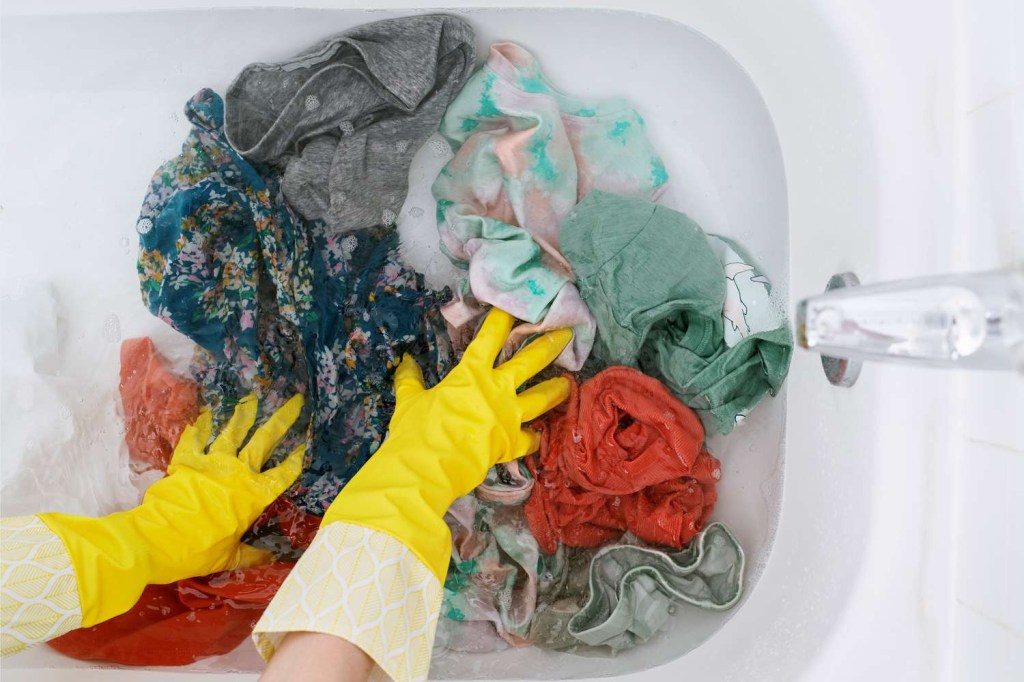
- Avoid public laundromats to prevent spread to others’ clothes. If you only have access to communal laundromats, wash clothes at least once in your sink or tub with cold water, detergent, gloves, and a tool before using the machine.
- Run an empty cycle afterward to help clean the machine and prevent contamination.
For the Person
- Take a lukewarm or cool shower with soap. Hot water will reopen your pores.
- Anticipate burning pain as you wash your skin. Pepper spray is less painful when dry and reactivates when wet. Removing the chemicals from the skin is necessary to minimize risk of burns and spread.
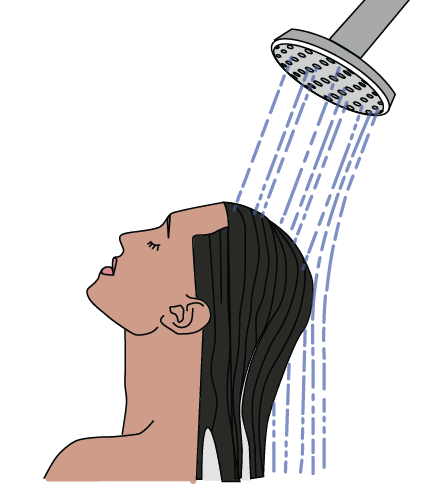
- Wash your hair first by leaning backward into the water stream, so the chemicals don’t run into your eyes and face again. An apple cider vinegar clarifying rinse may be helpful if you have type 4 hair.
Aftercare
- Rest as much as you can.
- Hydrate! Hydrate! Hydrate!
- Care for your liver as it processes these chemical weapons for the next few days. Avoid alcohol, if you are able, as it can cause the chemicals take longer to leave your body.
- Exposure to chemical weapons can be traumatic and disorienting. What feels supportive when you are processing grief, rage, or pain?
Example Aftercare Kit
- Respiratory steam or tea with mullein, rose, and mint
- Eucalyptus shower steam tablets
- Arnica topical gel or salve for bruises (not advised for folks allergic to sunflowers)
- Colloidal oatmeal for baths to soothe inflamed skin
- Electrolyte hydration mix (include sugar-free options!)
- Ginger chews for nausea
- Honey sticks
- Allergen-friendly treats
- Offer of a home-cooked meal
- Fidget or putty
- A list of anti-carceral support spaces
- A card with affirmations of care and support
- Something to allow the person to reclaim ownership of their body and space (nail polish, temporary tattoos, stickers, cute bandaids, consensual touch, etc.)
Check out our Care Planning page for more support resources.
Myth-Busting
NYCAM only recommends using clean water for flushing chemical weapons out of the eyes and water and soap/dish detergent for the skin.
Our goal is to mechanically flush the chemical out of the eyes with water; we are not trying to counteract the weapon. Eyeballs are not safe places to perform chemical experiments!
Dairy, including milk, contains bacteria and can cause infections. Dairy is also a common allergen and can cause life-threatening allergic reactions. Milk will spoil when carried outside during actions.
Liquid Antacid and Water (LAW), sometimes referred to by the brand name Maalox, leaves behind a chalky white substance when it dries, which can mark darker-skinned patients and make them targets for further police violence. There is also no evidence that LAW works any better than water.
0.9% saline can be used to flush the eyes, and Sudecon wipes can be used to clean skin. However, both saline and Sudecon are less accessible to most people, expensive in large quantities, and not significantly more effective than water. We have found no-rinse bath wipes or DIY disposable towels soaked in a water/dish detergent mixture to be equally as effective as Sudecon in removing chemical weapons from skin. Sudecon is also owned by Byrna, a company that manufactures and sells chemical weapons and “non-lethal” firearms to the police.
Using saline, Sudecon, Sudecon dupe recipes, etc. can also perpetuate the myth that chemical weapons treatment is complex and requires specialized equipment or medicine. Water is safe, effective, accessible, affordable, and multipurpose. Water can be used to hydrate, to clean wounds, to cool down folks with heat illnesses, and for eye flushes.
Demystifying and democratizing chemical weapons treatment allows us to build collective power against state violence.
For more information, see this article from the American Academy of Ophthalmology.
Summary
Best practice on scene is to:
- Introduce yourself and gain consent!
- Offer reassurance and spread calm.
- Move the person to a safer environment.
- Check for airway or breathing issues.
- Blot excess chemical from the skin.
- Have the person remove their own contact lenses with clean/gloved hands before the eye flush.
- Flush the eyes and mouth with WATER.
- Clean skin with soap/water or wipes. Allow the chemical on the skin to dry if you have none.
- Educate the person about decontamination and aftercare.
Resources
- Herbal First Aid and Aftercare for All Who Have Experienced Police Violence
- 8-Page Chemical Weapons Mini-Zines
Last updated June 2026

